How to Choose the Right Press Roll for Kraft Paper and Linerboard
For kraft paper and linerboard production, effective pressing increases paper dryness before the dryer section, reduces the evaporation load, and improves sheet consolidation. Choosing the right press roll requires evaluating paper grade, press configuration, nip loading, and dewatering requirements.
1. Key Selection Factors
Paper Grade and Basis Weight
Kraft paper and linerboard are produced in different basis weights. These differences influence the required nip pressure, roll structure, and dewatering performance. Heavier linerboard grades may require different pressing conditions from lighter kraft paper grades. The final design should be based on actual production data.
Press Roll Type
Solid press rolls are common in conventional arrangements. Grooved press rolls provide additional pathways for water removal. Blind-hole press rolls feature engineered holes for temporary water-holding capacity. Suction press rolls use vacuum-assisted drainage for additional dewatering.
Nip Pressure and Load Distribution
Nip pressure is one of the most important factors affecting press performance. A properly designed roll should provide uniform pressure distribution across the working width, adequate mechanical strength, and stable operation under continuous loading. Uneven nip loading causes cross-direction moisture variations and operational instability.
Roll Shell Material
Press rolls operate under continuous mechanical loading. Cast iron is suitable for conventional designs. Steel is used for specific structural properties. Stainless steel or corrosion-resistant materials are used where required. Material selection should consider roll diameter, face length, shell thickness, and maximum line load.
Surface Design
The surface design directly affects water removal and felt interaction. Depending on the application, press rolls may feature smooth surfaces, grooved surfaces, blind-hole patterns, or specialized coatings. The surface should be manufactured accurately to avoid unnecessary felt wear.
To see how the press section connects to the forming and dryer sections, refer to the FOURDRINER PAPER MACHINE ROLLS overview. For a broader view of mill machinery, visit our PAPER INDUSTRY hub.
2. Technical Specifications to Confirm
Before purchasing a press roll, prepare the following information:
-
Paper grade and actual GSM range
-
Machine speed (normal and maximum)
-
Roll type and dimensions
-
Shell material and thickness
-
Operating line load and crown profile
-
Surface design and bearing arrangement
-
Dynamic balancing grade and runout tolerance
Note: Final dimensions and performance requirements should be verified against the original equipment drawings and actual operating conditions.
3. Common Press Roll Problems
-
Uneven Moisture: Uneven nip loading, incorrect crown compensation, or felt condition problems.
-
Insufficient Dewatering: Unsuitable surface design, blocked grooves, or worn felts.
-
Excessive Felt Wear: Rough surface conditions, incorrect roll geometry, or poor alignment.
-
Roll Vibration: Imbalance, excessive runout, bearing problems, or shaft deflection.
-
Surface Damage: Abrasive contamination, unsuitable hardness, or corrosion.
4. How to Evaluate a Press Roll Manufacturer
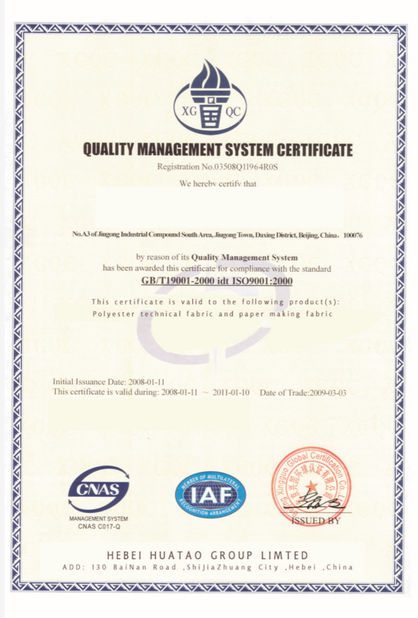
When sourcing press rolls, evaluate more than the quoted price. Important supplier capabilities include experience in manufacturing paper machine rolls, ability to manufacture according to OEM drawings, accurate groove or blind-hole machining, reliable dimensional inspection, dynamic balancing capability, and technical support for roll refurbishment.
5. Frequently Asked Questions
Q1: Which press roll is best for kraft paper production?
There is no single best option. Solid, grooved, blind-hole, and suction press rolls can all be appropriate depending on the machine configuration, paper grade, and dewatering requirements.
Q2: Are grooved press rolls suitable for linerboard machines?
They can be suitable where the press configuration benefits from additional water-removal pathways. Groove dimensions and roll strength must be designed for the specific conditions.
Q3: What is the difference between a grooved press roll and a blind-hole press roll?
A grooved roll uses surface channels for water movement. A blind-hole roll uses engineered holes to provide temporary water-holding volume.
Q4: Does a larger press roll diameter improve dewatering?
Not automatically. Dewatering also depends on line load, felt properties, surface design, and machine configuration.
Q5: What information should I provide when requesting a quotation?
Provide the roll drawing, paper grade, basis weight, machine speed, roll dimensions, press configuration, line load, surface design, and material requirements.
6. Conclusion
Choosing the right press roll requires a complete evaluation of paper properties, press configuration, nip loading, and operating speed. The right combination of roll structure and surface design supports stable pressing performance and reliable paper machine operation.
Working with an experienced manufacturer ensures customized engineering and quality inspection. Review our CASE STUDIES for real-world examples, or CONTACT US for a consultation.
Contact:
Jenny Liu
Phone/WhatsApp: 008617743789775
Email: sale05@huataogroup.com
Website: www.huataomulti-indusrolls.com
#PaperMachineRolls #IndustrialRollers #Papermaking #RollCover #SuctionRoll #PressRoll #CalendarRoll #RollMaintenance #PaperMill #B2BManufacturing #RollGrinding #RollBalancing #PaperMachine #PulpAndPaper #RollRefurbishment #RollCovering #PaperIndustry #RollShell #RollJournal #RollProcurement