What Is a Self-Cleaning Overband Magnetic Separator?
A self-cleaning overband magnetic separator — also called a suspended magnet or cross-belt magnet — is an iron-removal device hung above a conveyor belt. Its magnetic block pulls ferrous objects up out of the material stream, and an endless discharge belt continuously scrapes them off the magnet face and drops them into a collection chute. Unlike a manual-clean suspended Iron Magnet, which must be de-energized and wiped down by workers at intervals, a self-cleaning unit runs unattended around the clock. It sits at the front line of the conveying stage: crushing, screening and grinding all happen downstream of it, so its capture performance defines how much damage the rest of the plant absorbs.
How Does a Self-Cleaning Overband Magnet Capture Tramp Iron?
The working principle is magnetic force competing against gravity and material drag — nothing more. As ore passes beneath the separator, ferrous pieces such as excavator teeth, drill bits, rock bolts and broken liner fragments experience an upward pull. If that pull exceeds the forces holding the piece in the burden, the object lifts to the magnet face, where the self-cleaning belt drags it out of the field and into a collection bin.
Three physical limits decide whether a piece actually makes that journey:
1. Burden depth. Magnetic force decays rapidly with distance. A 200 mm-thick ore bed on a 1200 mm belt demands far deeper field penetration than a 50 mm layer of screened gravel. A piece buried at the bottom of a deep bed may never feel enough force to lift.
2. Belt speed. Capture happens in the residence time under the magnet — typically well under one second. Faster belts shorten that window; heavy pieces may only tilt before the field zone ends.
3. Shape and mass. Long, thin objects (rebar offcuts, wire rope) and heavy compact pieces (a 20 kg excavator tooth) are the hardest cases. This is why deep-field electromagnetic designs are preferred for heavy mining duty.

Does It Stop Everything? The Honest Answer on Capture Rates
Direct answer: no — it reduces, it does not stop. Correctly sized industrial units achieve roughly 90–98% capture of ferrous tramp iron, and operators should budget for the remainder. Four categories of metal routinely get through:
· Non-magnetic metal. Stainless steel, aluminum, brass and much manganese steel are effectively invisible to any magnet. Only a metal detector downstream can flag them.
· Deep-buried heavy pieces. Under deep-bed loading on high-tonnage conveyors, a large lump of steel at the belt line may lack the force-to-mass ratio to be lifted.
· Wet, sticky fines. Iron particles cemented into wet clay-rich ore can ride through attached to the lump instead of separating cleanly.
· Marginal geometry. Elongated pieces aligned with the belt travel, or pieces shielded by a dense layer of ore above them, can escape the field gradient.
For plants running a Jaw Crusher as primary, the residual 2–10% is usually tolerable because jaw plates tolerate occasional steel better than most machines. For a Hydraulic Cone Crusher or a Hammer Crusher, where a single large tramp piece can crack a shaft, bend the main shaft or destroy a rotor, the same residual rate justifies adding a metal detector plus a belt-stop interlock. This is why experienced operators treat magnet + detector as one system rather than choosing one or the other.
Where You Place the Magnet Matters More Than Its Size
Direct answer: install it where the burden is thinnest and flattest — typically 200–400 mm above the belt, just ahead of the head pulley. Suspension height, burden profile and belt speed at the chosen location routinely swing capture efficiency by 20–30 percentage points, more than any difference between magnet brands.
Positioning rules that consistently pay off:
· Thin the bed before the magnet. A slider bed, flat idler spacing or a slight belt de-rating under the magnet flattens the burden and shortens the lift distance.
· Mount over the head pulley zone, not mid-span. Material is still settled and flat there; mid-span sag throws the burden into waves.
· Angle the magnet with the belt travel (cross-belt installations discharge to one side) so captured steel travels the shortest path out of the field.
· Add defense in depth. A Heavy-Duty Conveyor Impact Bed at the loading point absorbs what the magnet misses on large lumps, and clean belt surfaces maintained by Polyurethane Conveyor Belt Cleaner Blades keep the burden profile flat and predictable.
· Know your alternatives. Where the ore stream can be re-routed, a head-pulley Magnetic Drum separates continuously without suspension height issues, and a Magnetic Roller suits narrower or lower-tonnage lines. For deep beds on wide, fast belts, a deep-field Electromagnetic Overband Separator outperforms permanent designs despite its power draw.
Procurement Guide
When requesting quotations, supply:
· Conveyor belt width, speed and tonnage; material burden depth and profile
· Ore type, bulk density, moisture and lump size
· Suspected tramp iron inventory (size, mass, origin — drill steel, liner fragments, bucket teeth)
· Installation space available (headroom, cross-belt vs inline option)
· Required capture target and whether a metal detector/interlock is planned
Buyer questions that separate serious suppliers from resellers:
· Can you size the magnet from our conveyor data and state the predicted capture efficiency — not just the Gauss rating?
· Can you manufacture to drawing and provide material certificates for the magnetic circuit and coil?
· What is the discharge belt specification (abrasion class, tensile layers, splicing method)?
· Do you have export experience, spare-parts support and wear-life recommendations for the discharge belt?
Lead times for standard permanent units typically run 2–4 weeks; deep-field electromagnetic units, 4–8 weeks. Confirm packaging (steel crating, coil moisture protection) and inspection standards before ordering.
Conclusion
A self-cleaning overband magnet genuinely protects a crusher — but honestly, it reduces rather than stops tramp iron. Plan around a realistic 90–98% ferrous capture rate, position the magnet where the burden is thinnest, match field depth to your actual ore and piece sizes, and back it with a metal detector for everything a magnet cannot see. Do those four things and the question stops being "will steel reach my crusher?" and becomes the far better one: "how long until the payback shows up in my liner budget?"
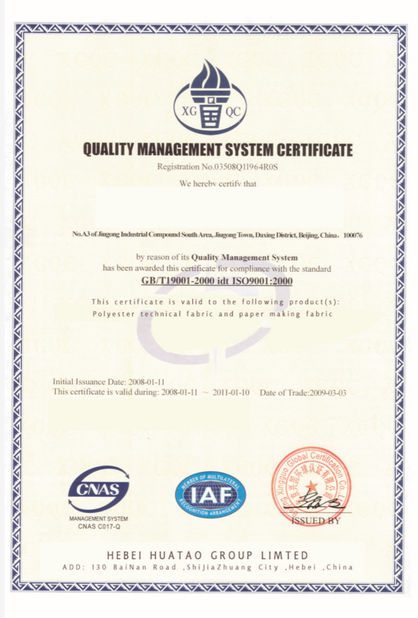
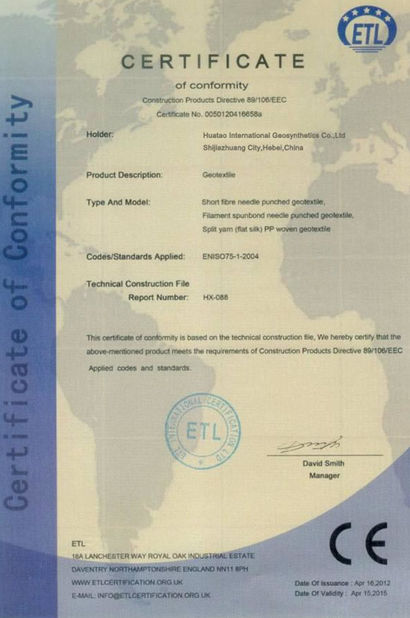
HUATAO Group supplies mining wear parts and separation equipment including self-cleaning and electromagnetic overband separators, magnetic drums and rollers, screen panels, crusher wear parts and conveyor protection components, with OEM manufacturing to drawing and export experience across mining projects worldwide.
Related Articles
· Self-Cleaning Screen vs Traditional Woven Wire Mesh: Which One Should You Choose?
· Polyurethane Screen vs Rubber Screen vs Wire Mesh: A Complete Comparison Guide
· Which Manufacturer Offers High-Quality Polyurethane Tufflex Wire Screens for Mining?
Contact Us
Contact: Annie Lu
Email: annie.lu@huataogroup.com
Phone / WhatsApp: +86 180 3242 2676
Website:
We warmly welcome customers from around the world to contact us and establish mutually beneficial partnerships.